



Farm - Cash Cropping
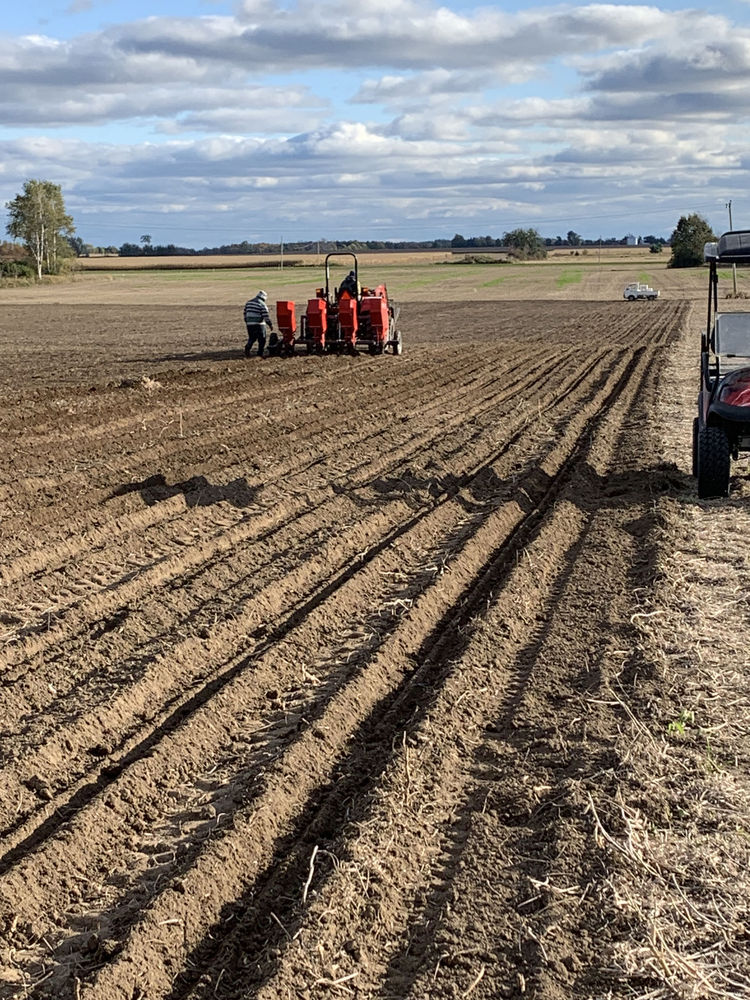
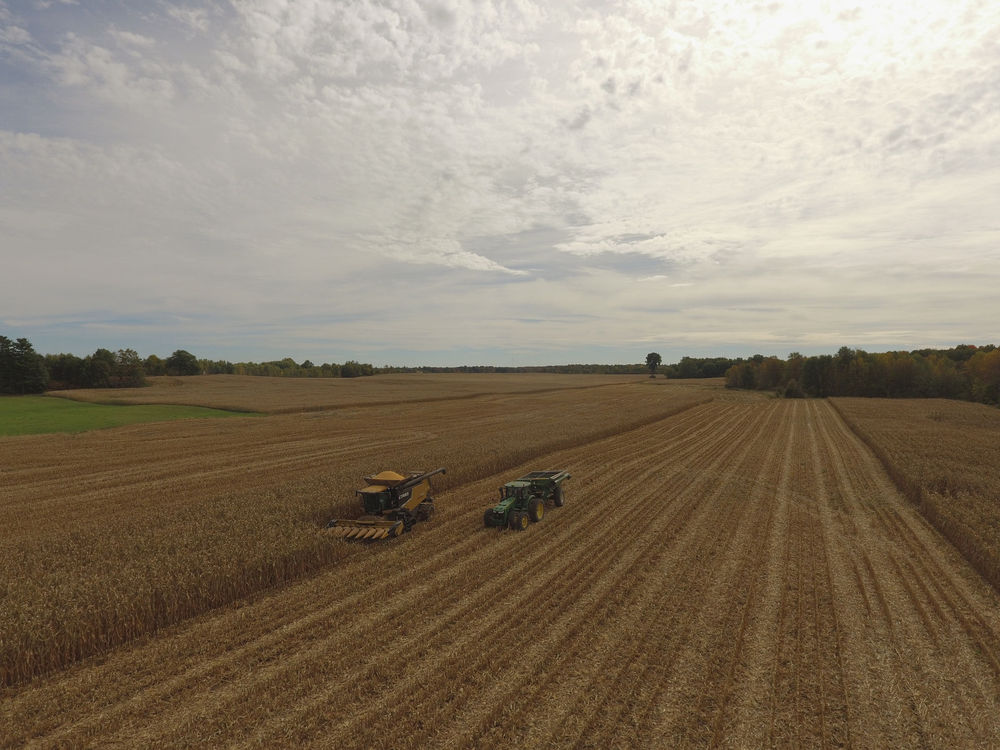
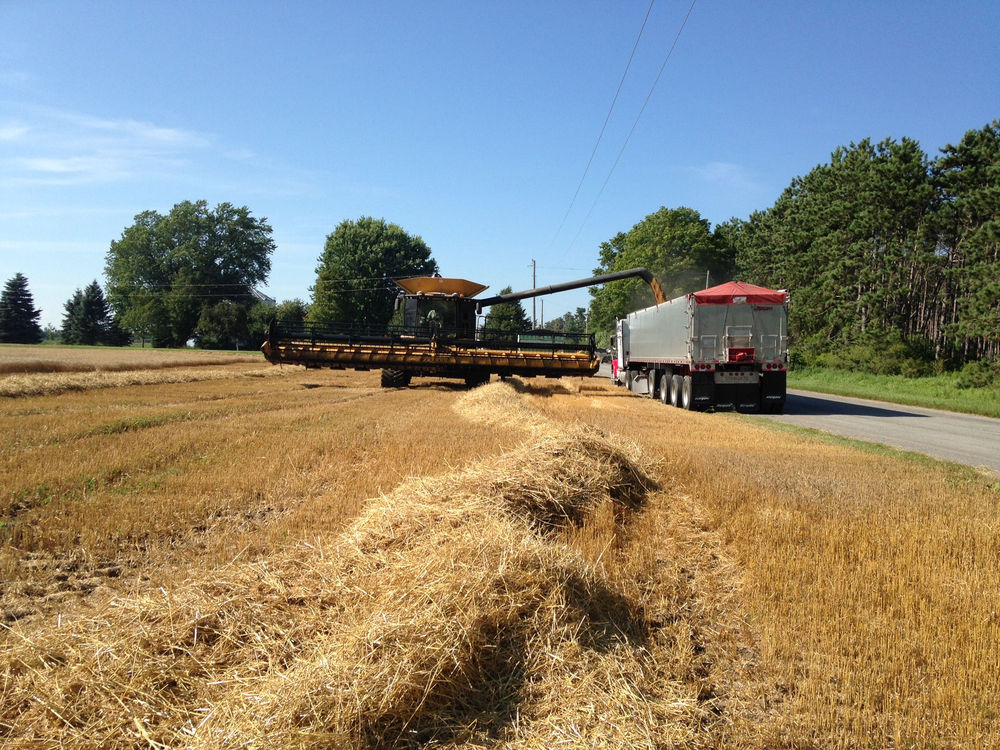
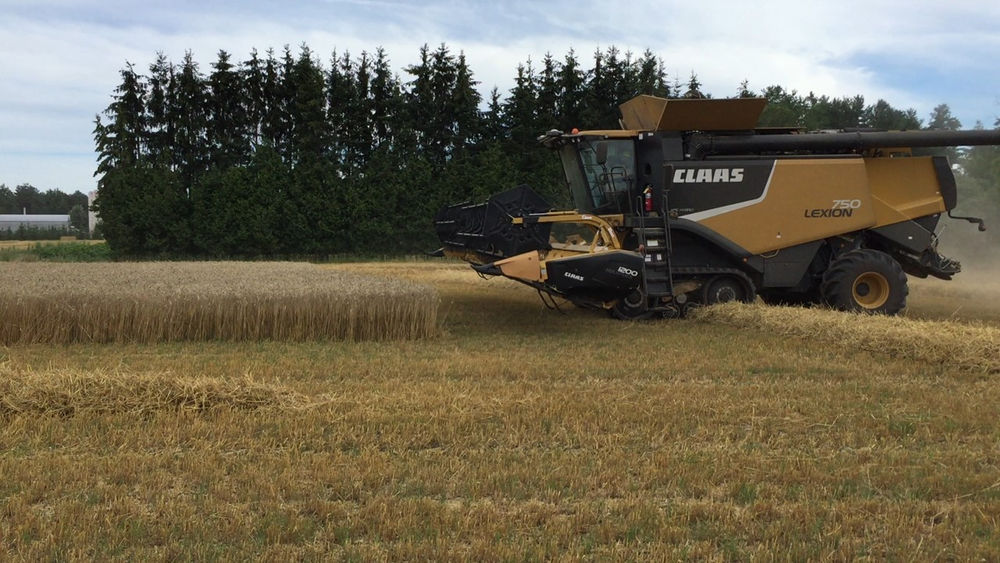
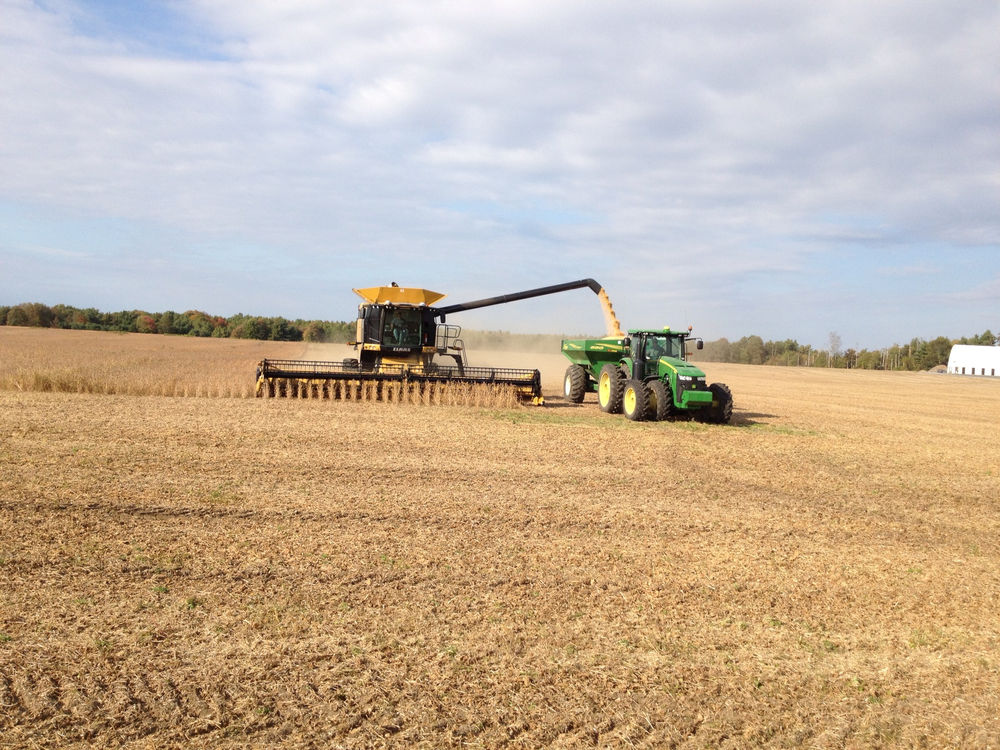
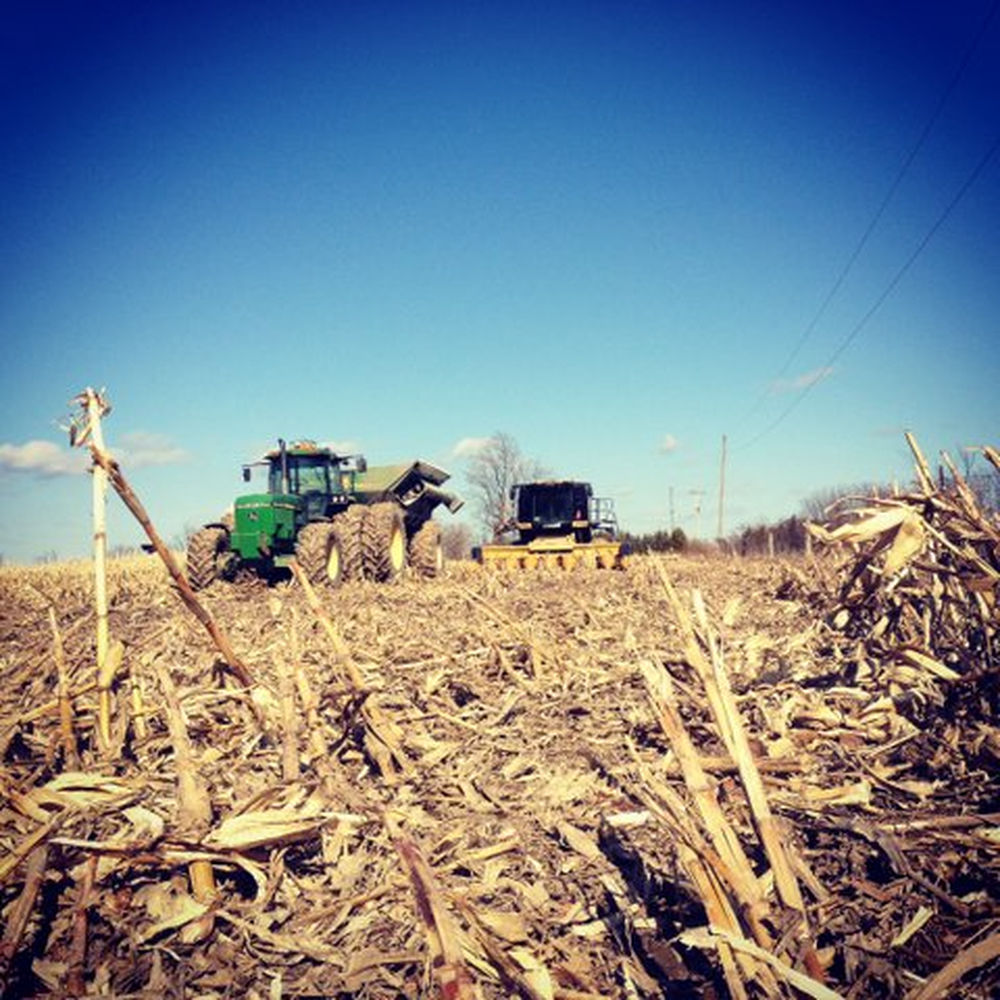
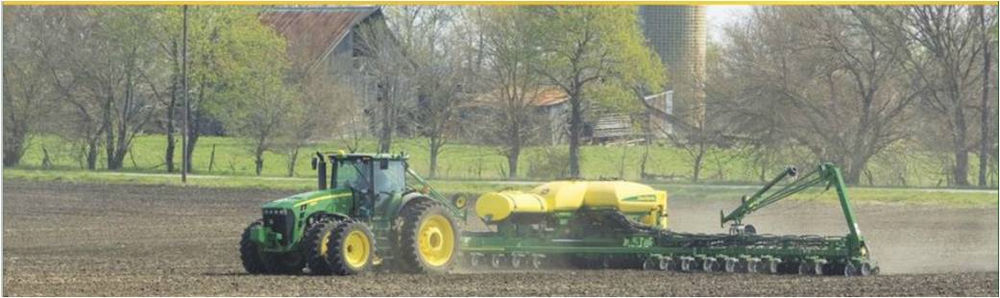
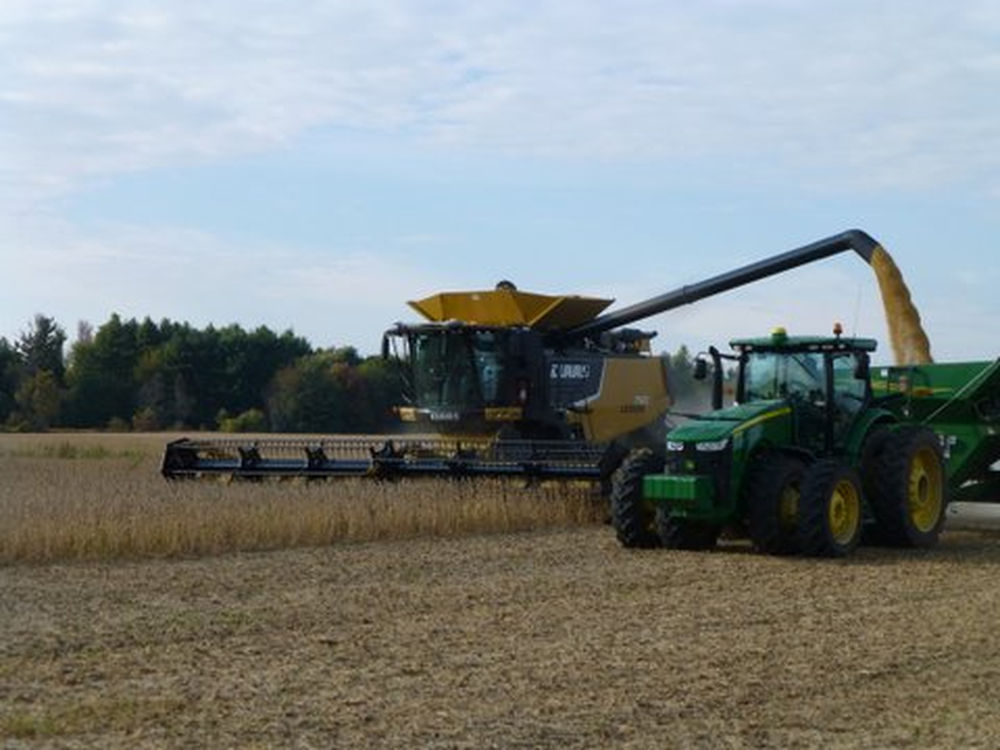
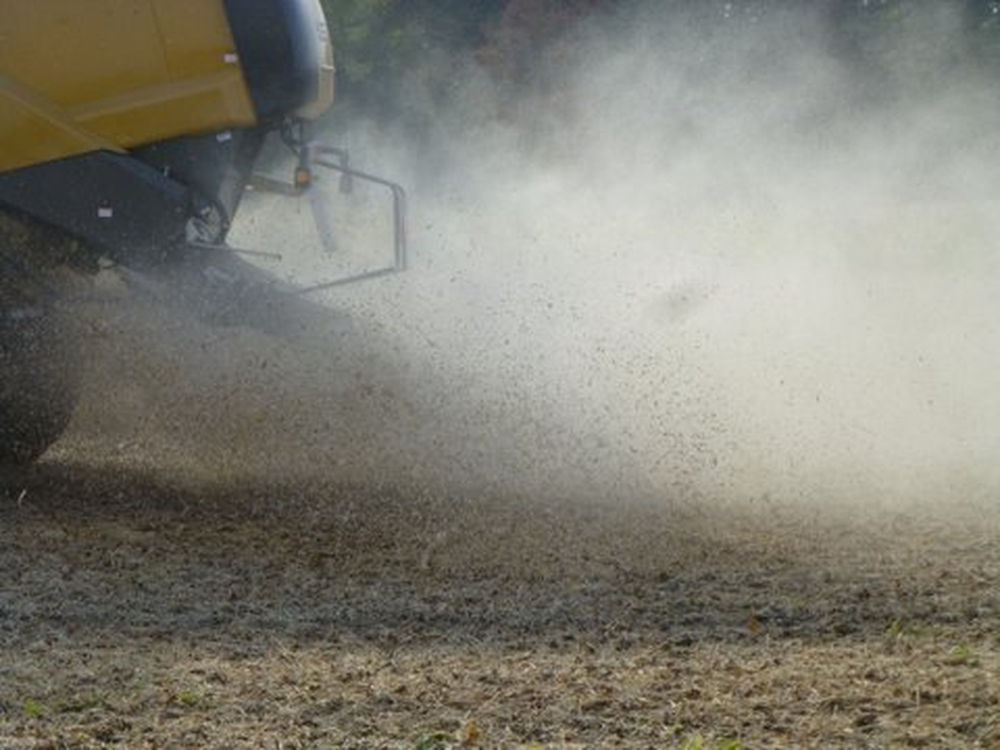
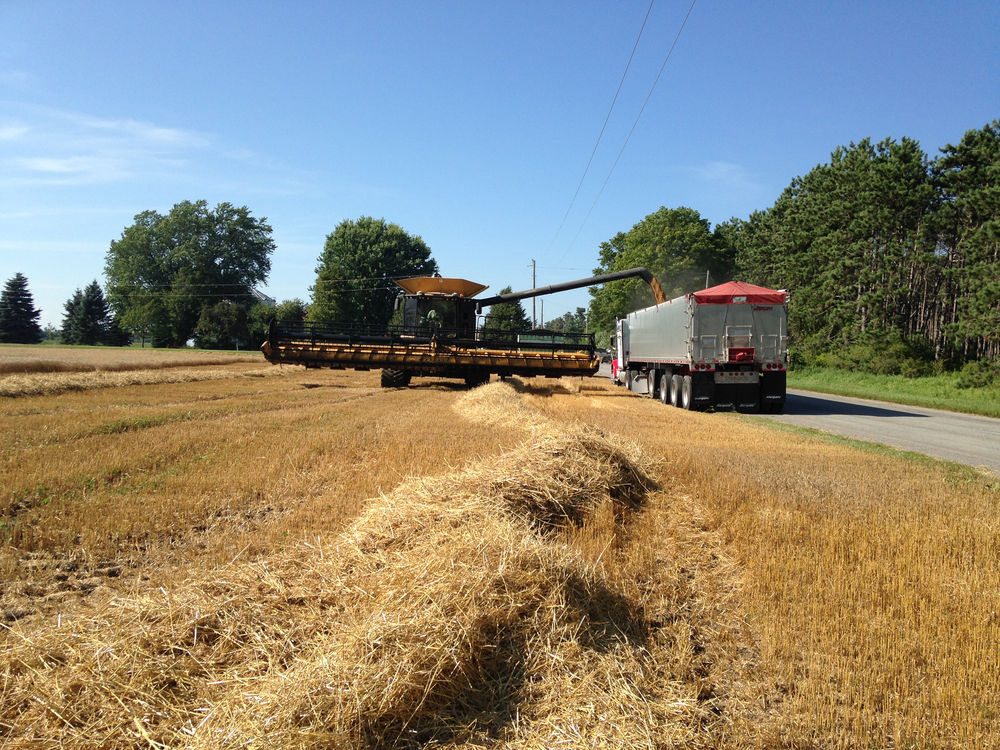
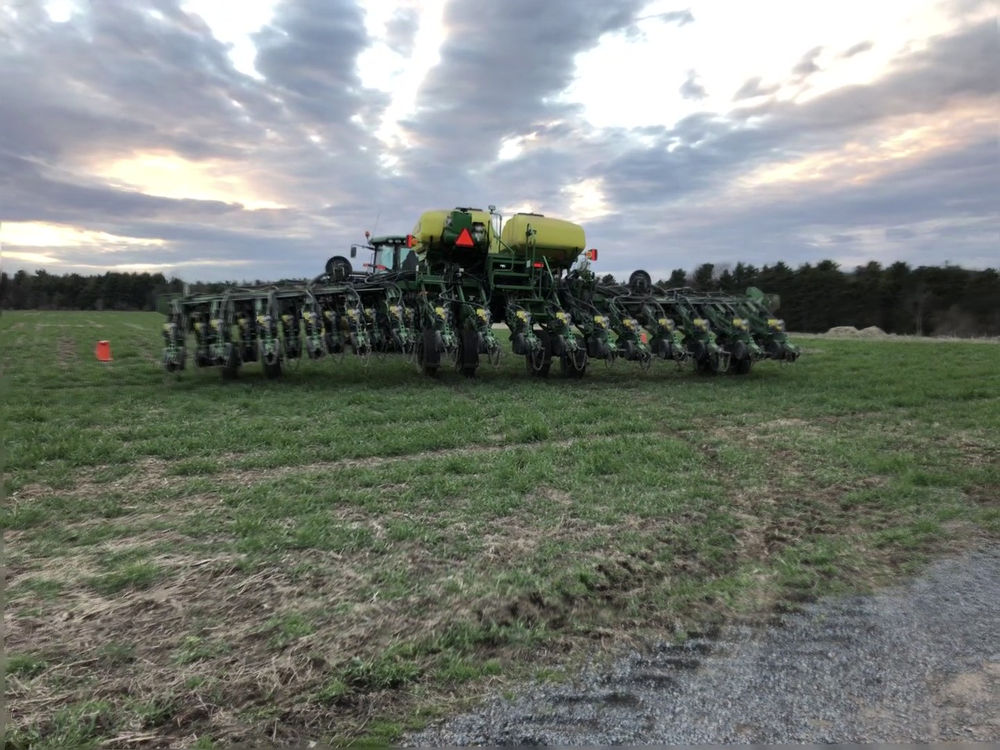
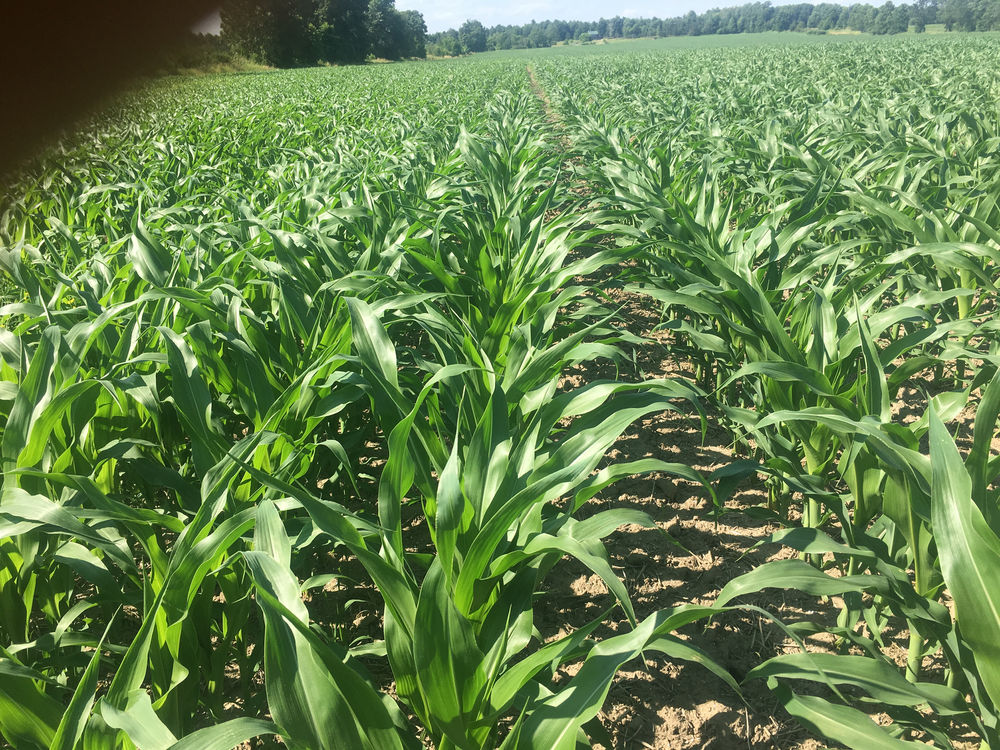
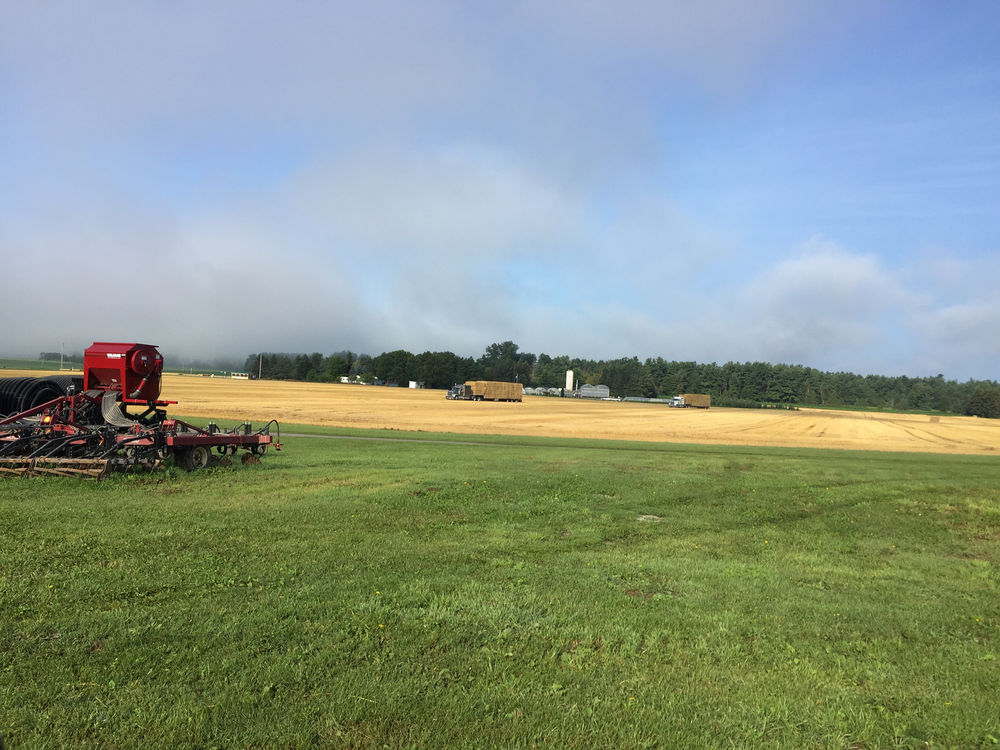
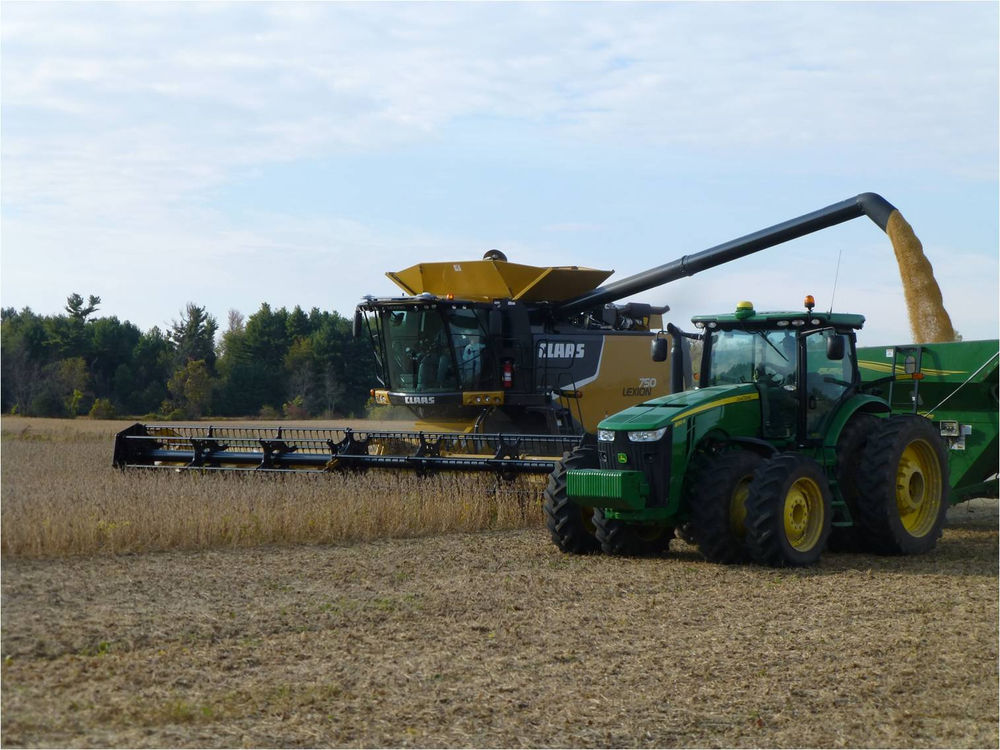
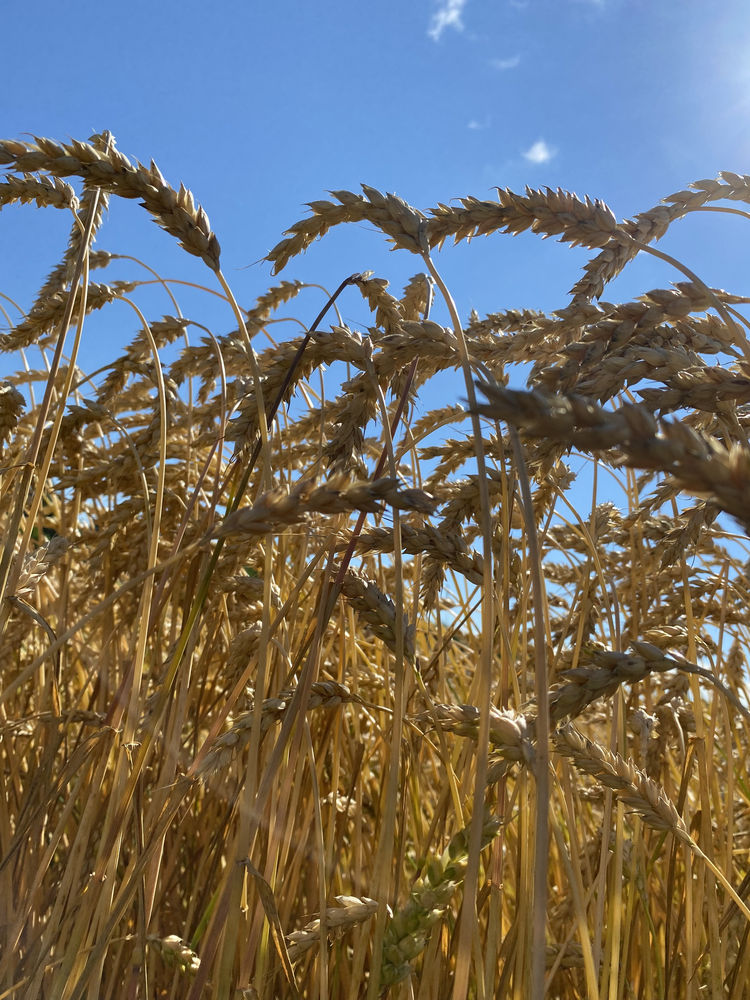
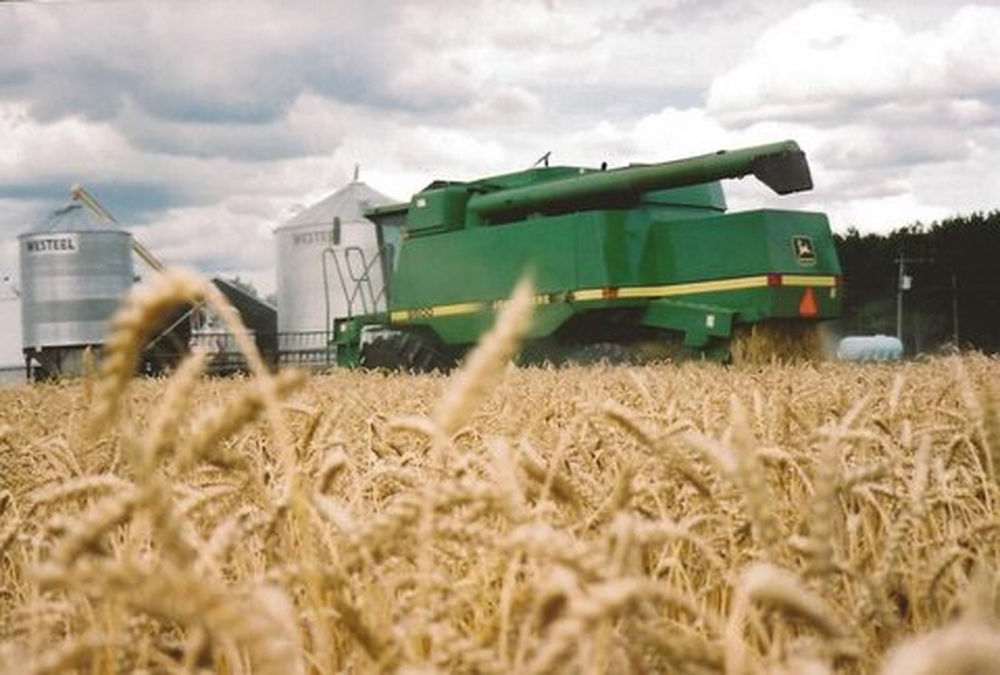
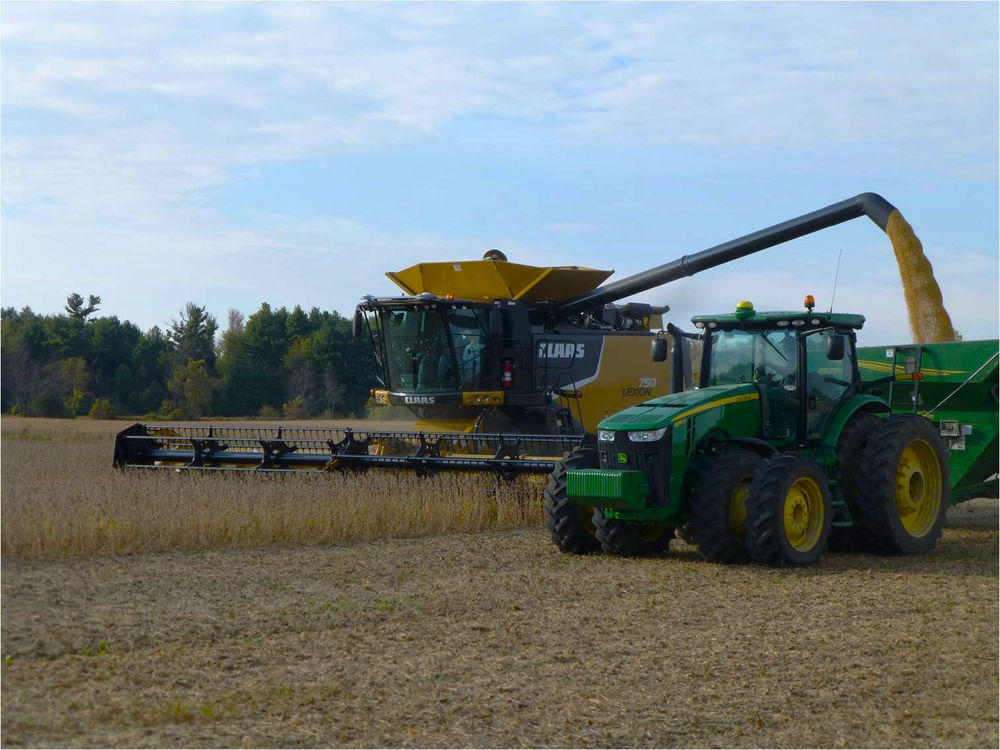
Forman Farms mainly grows soybeans, corn, canola, and small grains. We have been no-till/minimum tillage cropping since 1986; a practice that helps to build organic matter in the soil and reduce erosion, soil compaction, and diesel consumption on the farm. We sell most of our grains to large Ontario processors.
We make property improvements, tile draining, maintain drainage, fertilizing (spreading compost and lime), and clearing fence lines to improve property values and maximize land use. We were one of the first growers of Identity Preserved (IP) soybeans for export in Ontario and continue to seek new and expanding crop markets to grow into.
- Ensuring ongoing crop rotation
- Alternates plant species to improve root depth, soil structure, and nutrient cycling
- Performing soil testing every 3 years
- Fertilizing to OMAFRA recommended levels
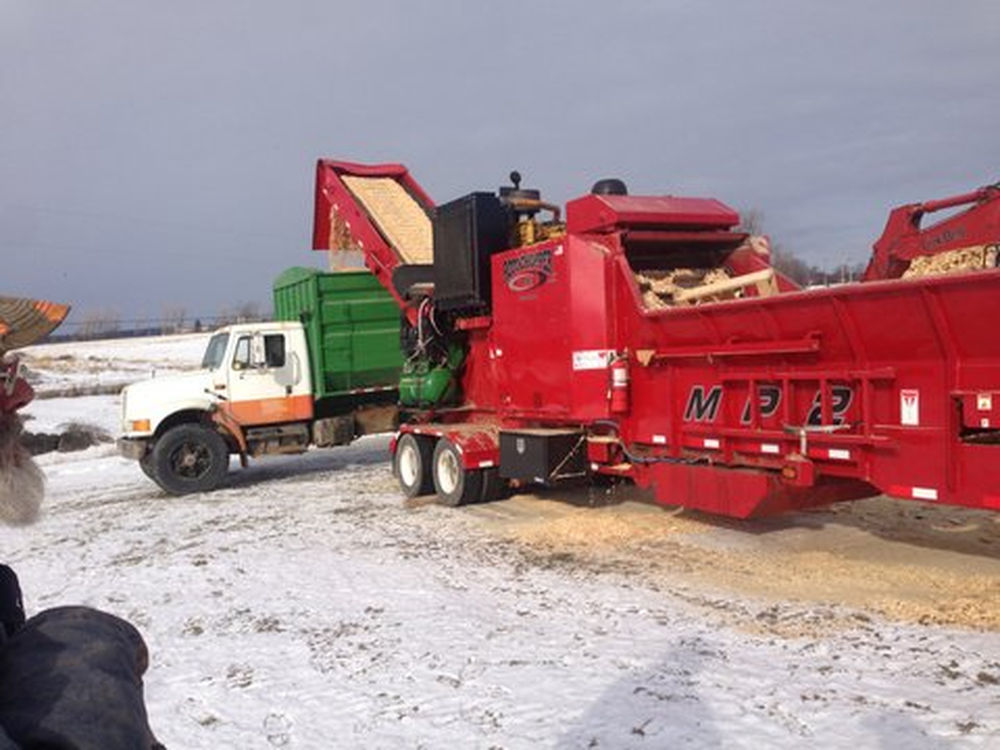
- Turn local wood chips into compost for soil application
Farming for a Greener Tomorrow
In Canada, one-quarter of a million farmers manage about 68 million hectares of land, and have considerably improved the sustainability of their soil management practices on their farmland by minimizing physical disturbance, keeping living roots and permanent ground cover, diversifying crop rotations, and integrating organic amendments like compost or manure to protect structure and support soil life.
In the year 2000, for the first time in Canada's history, agricultural soils sequestered more carbon than was emitted. This achievement was the result of a strong commitment to address soil degradation, in response to desertification risk and devastating erosion during much of the 20th century.
Soil carbon sequestration captures atmospheric carbon dioxide through plant photosynthesis and stores it as soil organic matter. Improving land practices helps lock away carbon, enhances soil fertility, increases water retention, and builds climate resilience. In addition to sequestering carbon in the soil, these practices also increase soil productivity, enhance the quality of water running off or draining from agricultural land. By increasing the amount of carbon stored in soils, these practices make soils more productive and resilient for use by future generations, while continuing to remove CO2 from the air. Increasing the soils organic carbon, removes CO2 from the atmosphere and storing ('sequestering') in the soil.
Soil Management
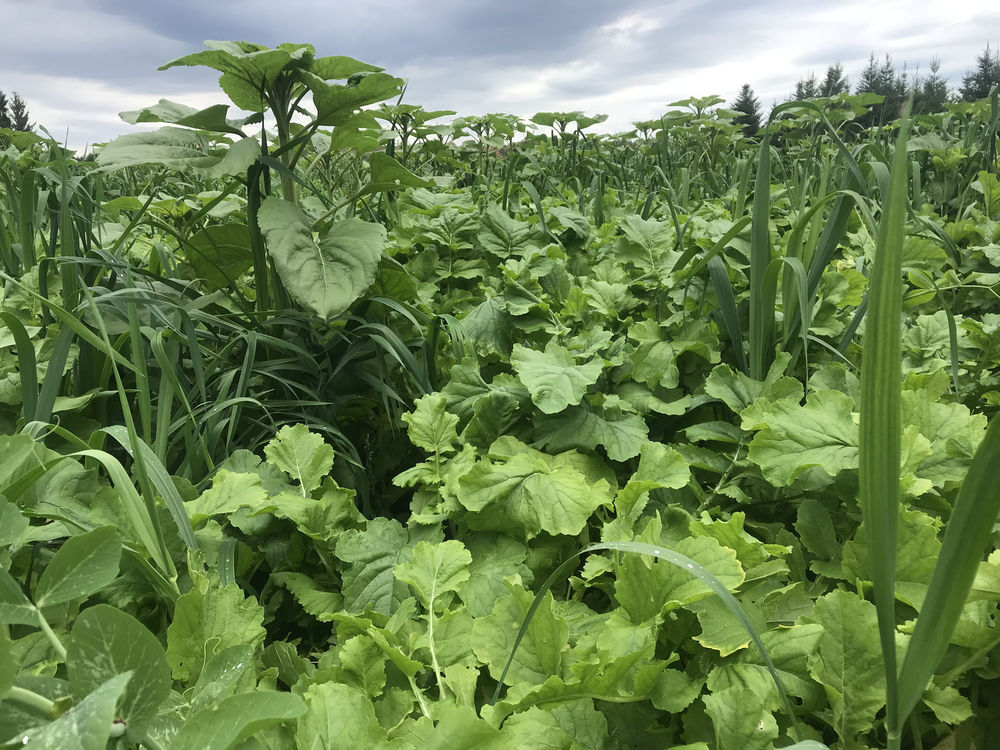
Planting cover crops - Uses plants like clover, peas, or beans during off-seasons to keep living roots active and feed soil microbes, managing soil erosion, soil fertility, soil quality, water, weeds, pests, diseases, which has a positive effect on nitrogen availability. Cover crops reduce water pollution risks and remove CO2 from the atmosphere. Perennial crops have larger below-ground biomass fraction, which increases the soil organic carbon content.
Using no-till methods/minimum tillage, minimizes soil disturbance to keep carbon locked in the earth instead of releasing it as CO₂. No-till practices allows the soil structure to stay intact and protect the soil by leaving crop residue on the soil surface. Improved soil structure and soil cover increases the soil’s ability to absorb and infiltrate water, which in turn reduces soil erosion and runoff preventing pollution from entering nearby water sources.
 Google Maps ↗